
Building Your Content Marketing Foundation
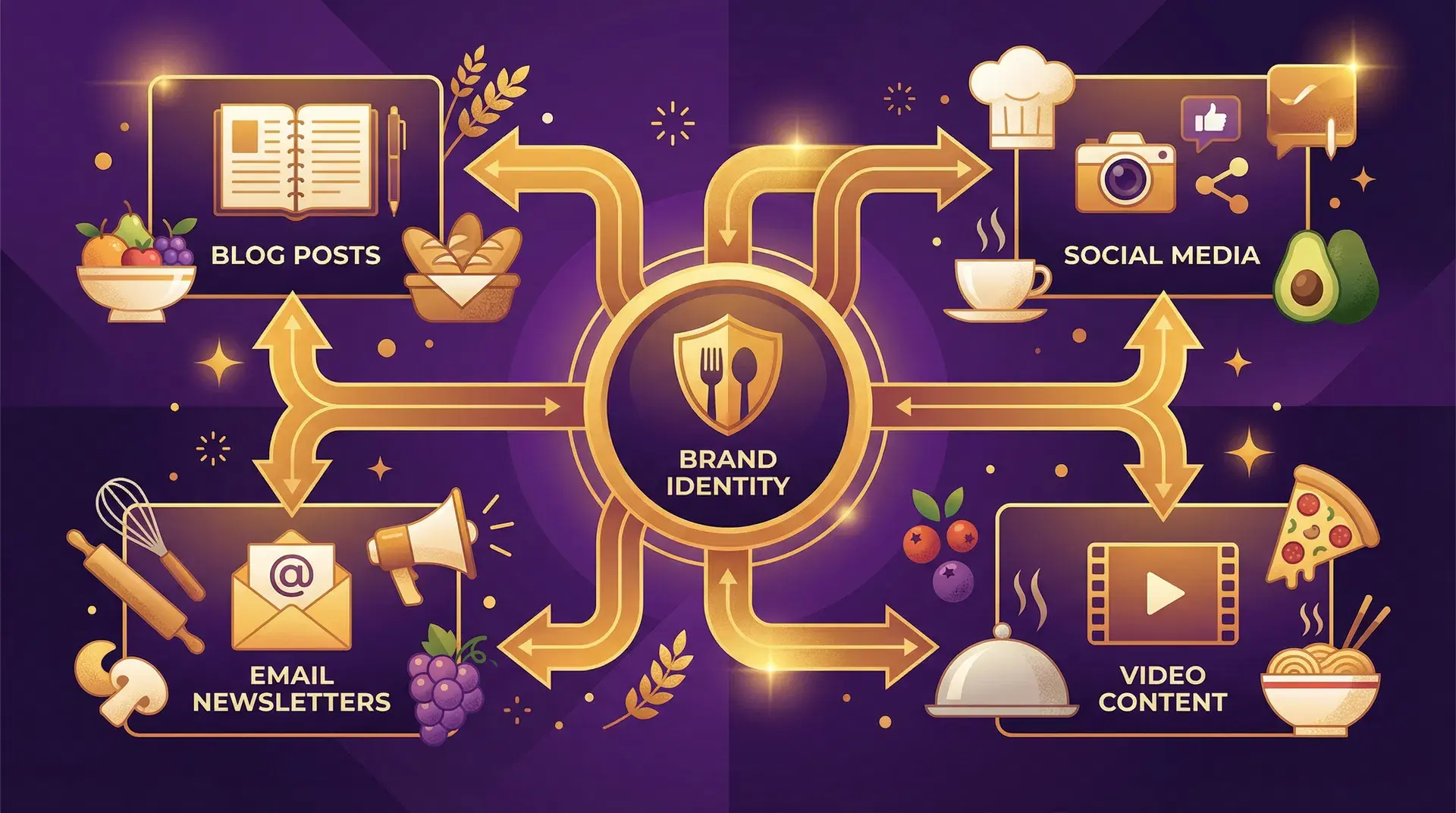
You want your food brand to shine, don't you? A killer content marketing strategy can do just that. Get busy making a plan that resonates with your audience. Foster storytelling and ensure your message remains consistent across different platforms. Don't overlook the power of great content to drive awareness, engagement, and sales.
Key Takeaways
- A strong content marketing strategy starts with understanding your audience and their needs
- Consistency across platforms builds brand recognition and trust
- Storytelling is one of the most powerful tools for food brands
- Measuring content performance helps you optimize and improve over time
Define Your Brand Voice
Before creating any content, establish a clear brand voice that reflects your brand's personality and values. Are you playful and fun? Sophisticated and premium? Health-focused and educational? Your brand voice should be consistent across all content and platforms.
Know Your Audience
Conduct thorough audience research to understand who your customers are, what they care about, where they spend time online, and what type of content they engage with. Create detailed buyer personas to guide your content creation.
Content Pillars for Food Brands
Educational Content
Share knowledge about nutrition, ingredients, cooking techniques, and food trends. Educational content positions your brand as an authority and provides genuine value to your audience.
Inspirational Content
Recipe ideas, meal planning guides, and food styling tips inspire your audience and give them practical reasons to purchase your products.
Behind-the-Scenes Content
Show your production process, introduce team members, and share your brand's journey. Transparency builds trust and creates emotional connections with your audience.
User-Generated Content
Encourage and amplify content created by your customers. UGC provides authentic social proof and builds community around your brand.
Platform Strategy
Different platforms require different content approaches. On Amazon, focus on optimized product content and A+ pages. On social media, prioritize visual content and engagement. On your website, create long-form educational content that drives organic search traffic.
Content Calendar
Create a content calendar that maps out your content across all platforms. Plan around seasonal trends, product launches, holidays, and industry events. Consistency is key — regular content publication builds audience expectations and engagement.
Measuring Success
Track key metrics for each platform: engagement rates, traffic, conversion rates, and revenue attribution. Use these insights to continuously refine your content strategy and double down on what works.
Tom Harrison
Founder of TNT Ecommerce, helping CPG brands navigate and succeed on Amazon through expert listing optimization, advertising, and brand management strategies.